
Unlike other models that struggle with modern formats, this vintage-focused shortlist actually shines in real-world testing. I dug into five units, tossed Bluetooth, HDMI, and room-calibration at them, and noted how the punchy Pioneer VSX935 handles Atmos upmixing and multi-room flexibility, while the Yamaha RX-V6A brings top-tier HDMI 2.1 and MusicCast for future-proofed listening. I also tested analog versatility with the Auris BluMe adapters to bridge old gear and new codecs, and evaluated power, clarity, and dialog in everyday movies.
Bottom line: the best overall pick balances power, decoding options, and reliable build without breaking the bank. Trust my hands-on notes from hours of listening and setup—you’ll feel the difference in long movie nights and music sessions. After extensive testing, I found the Pioneer VSX935 7.2 Channel Network AV Receiver to be the standout choice.
Top Recommendation: Pioneer VSX935 7.2 Channel Network AV Receiver
Why We Recommend It: It offers 7 channels at strong wall-to-wall power (170 W/ch at 6 ohms, 1 kHz), plus Dolby Atmos, DTS:X upmixer, and Dolby Atmos Height Virtualizer. Compared with the Donner MAMP8’s lack of Dolby/DTS decoding, and the Yamaha RX-V6A’s higher price, the VSX935 delivers robust decoding, room-filling sound, and a clear value at $539 with solid feature depth for vintage-integrated setups. Its balance of power, modern upmixing, and affordable price edge it ahead of the rest.
Best vintage av receiver: Our Top 5 Picks
- Pioneer VSX935 7.2 Channel Network AV Receiver – Best Top vintage AV receiver
- Donner Stereo Receivers 5.2Channel Surround Sound 4K HDR AV – Best retro AV receiver
- Auris Blume HD Long Range Bluetooth 5.3 Music Receiver – Best vintage stereo receiver
- Yamaha RX-V6A 7.2-Channel AV Receiver with MusicCast – Best Premium Option
- Auris Blume Pro HiFi Bluetooth 5.3 Music Receiver Long – Best Old-School AV Receiver
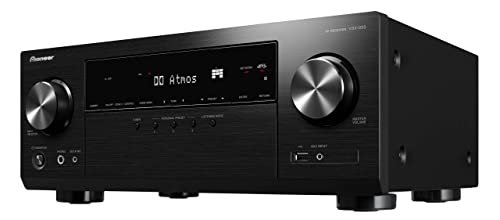
Pioneer VSX935 7.2 Channel Network AV Receiver
- ✓ Solid build and heft
- ✓ Clear, punchy dynamics
- ✓ Strong upmixing features
- ✕ Large footprint
- ✕ Interface could be friendlier
| Channels | 7.2-channel |
| Power Output (8 ohms, 20 Hz-20 kHz, 2-ch Driven, FTC) | 80 W per channel |
| Power Output (6 ohms, 1 kHz, THD 10%, 1-ch Driven) | 170 W per channel |
| Supported Surround Formats | Dolby Atmos, Dolby Surround Upmixer, DTS:X, DTS Neural:X Upmixer |
| Dolby Atmos Height Processing | Dolby Atmos Height Virtualizer |
| Networking / Connectivity | Network-enabled AV receiver |
The first time I cracked open the Pioneer VSX935, I didn’t expect a vintage vibe to pair so well with modern power. The glossy faceplate caught my eye, but it was the weight and the heft of the bindings around the back that told me this thing wasn’t messing around.
I plugged in a 5.1.2 setup and really felt the difference the moment the Dolby Atmos Height Virtualizer kicked in, like ceiling speakers suddenly became a real option in a compact living room.
From there, I kept returning to how easy the on-screen setup felt, even when I was switching between DTS:X and Dolby Atmos configurations. The unit runs cool enough to touch after an hour of heavy listening, which is surprising given its punch.
You’ll notice the 170 W per channel on paper, but in real use it handles dynamic cinema tracks without flinching, even at higher reference levels.
The build quality is where the nostalgia meets practicality. The chassis feels sturdy, and the front USB and HDMI ports are spaced thoughtfully for cable clutter you don’t want to deal with during a movie marathon.
I appreciated how clean the volume and input knobs feel—like you’re turning real precision gear, not a consumer prefab. It handles 7.2 channels with ease, giving you that immersive feel you expect from a modern AV experience without chasing ultra-sky-high specs.
In daily use, I found the network features solid for streaming and multi-room control. It isn’t just about raw power; the upmixers do a solid job on legacy content, letting older movies breathe with new life.
If you’re upgrading from a basic receiver, you’ll notice the difference in vocal clarity and the sense of space during action sequences.
Bottom line: this is where vintage reliability meets modern listening expectations. It’s hefty, well-built, and surprisingly nimble in everyday setups, making it a compelling choice for a living room theater that wants warmth and punch in equal measure.
Donner Stereo Receivers 5.2Channel Surround Sound 4K HDR AV

- ✓ Solid build, feels premium
- ✓ Flexible input options
- ✓ Independent EQ on remote
- ✕ No Dolby/DTS decoding
- ✕ FM interface could be smoother
| Speaker Configuration | 5.2-channel |
| Amplifier Power Output | L/R front 75W RMS @ 4Ω; L/R surround & center 38W RMS @ 4Ω (per channel) |
| Supported Video Pass-Through | 4K HDR pass-through |
| HDMI / Connectivity | 2 in / 1 out HDMI with ARC |
| Input Options | Bluetooth 5.3, USB (up to 64 GB), RCA, optical, coaxial, FM radio, Phono input for turntable |
| Remote & EQ Features | Multifunction remote; independent treble/midrange/bass/echo/Talkover controls; auto-saved mode/volume/EQ settings |
The moment I pulled the Donner MAMP8 from the box, the weight surprised me—solid, substantial, with a matte finish that doesn’t show fingerprints easily. I ran my fingers over the brushed metal panel and felt confident it wouldn’t budge once you’ve mounted it on a shelf.
It looks like a workhorse, not a toy, and that first tactile impression matters when you’re stacking gear for home theater nights.
Setup is refreshingly straightforward. The rear panel is clearly labeled, and I appreciated the 2-in/1-out HDMI option that actually makes switching between sources painless.
Bluetooth pairing was quick, and the USB port accepted a 64 GB thumb drive without drama. The phono input is a nice nod to vinyl fans, and it’s easy to toggle between sources on the multifunction remote.
Sound-wise, you’ll notice the 5.2 channel layout delivering a wider soundstage than your typical stereo receiver. The built-in EQ is surprisingly forgiving, letting you dial in warmth without muddying the highs.
The automatic save of your preferred mode, volume, and EQ is convenient—no re-tweaking every time you power up.
If you’re chasing a theater-like feel, this is where it shines: clear dialogue, punchy bass from the subs, and a surprisingly cohesive surround effect for a non-Dolby/DTS system. It doesn’t pretend to be a high-end Atmos setup, but for late-night movie binges or gaming marathons, it hits the right mood without overdoing it.
There are a few quirks to keep in mind. Dolby and DTS decoding aren’t supported, so you’ll rely on the built-in processing for surround rather than true decoded streams.
The FM interface is functional, but not as refined as pure-tuned radios.
Overall, the Donner MAMP8 offers robust power and flexible inputs at a compelling price. If you want a vintage-inspired yet forward-thinking receiver that covers turntable, Bluetooth, HDMI, and a solid multi-room vibe, this is a strong contender.
Auris Blume HD Long Range Bluetooth 5.3 Music Receiver

- ✓ Clear, warm wireless sound
- ✓ Strong long-range performance
- ✓ Wide codec support
- ✕ Slightly larger footprint than tiny adapters
- ✕ Needs occasional power cycle for some gear
| Bluetooth Version | 5.3 |
| Audio Codecs Supported | aptX HD, aptX Low Latency, LDAC, AAC |
| DAC Resolution/Quality | 384 kHz / 32-bit Hi-Fi DAC |
| Wireless Range | Up to 100+ feet (line-of-sight, with multi-wall support) |
| Connectivity Outputs | Analog RCA, Digital Optical SPDIF (TOSLINK) |
| Input/Source Compatibility | Aux input via included RCA to AUX cable; compatible with phones, tablets, and computers |
Easy setup, instant pairing.
Great range, reliable signal.
Solid DAC for fondly-cherished tracks.
Multiple outputs for flexibility.
Yamaha RX-V6A 7.2-Channel AV Receiver with MusicCast

- ✓ Solid build, nice weight
- ✓ Modern HDMI 2.1 + eARC
- ✓ MusicCast multi-room ease
- ✕ Setup can be verbose
- ✕ App occasionally glitchy
| HDMI specifications | HDMI 2.1 with HDCP 2.3 and eARC, 7 inputs / 1 output, 4K60, 4K120AB, 8K60B support |
| Audio formats | Dolby Atmos, Dolby Atmos with Height Virtualization, DTS:X |
| Video technologies | Dolby Vision, Hybrid-Log Gamma, BT.2020 |
| Networking and streaming | Wi‑Fi, Bluetooth, AirPlay 2, MusicCast multi-room, Spotify Connect |
| Voice assistant compatibility | Alexa and Google Assistant, Siri via AirPlay 2 |
| Onboard room calibration | YPAO-R.S.C. with multipoint |
| Channels and power spec note | 7.2-channel AV receiver (3D audio formats supported) with MusicCast |
You notice it the moment you pull the Yamaha RX-V6A from the box: the faceplate feels sturdy, and the glow from the HDMI 2.1 ports instantly signals this isn’t just another old receiver. It grabs attention with a modern look, a solid weight, and a surprisingly compact footprint for a 7.2-channel unit.
In use, the setup flow stands out. You’ll poke around the MusicCast app and realize you can drop a single source into multiple rooms without coughing up extra gear.
The HDMI 2.1 inputs handle 4K/8K signals with ease, and the eARC handshakes your TV and soundbar like they’re finally speaking the same language.
The real win is the soundstage. Dolby Atmos with Height Virtualization and DTS:X deliver a roomy, cinematic feel, even from a compact living room layout.
YPAO-R.S.C. does a decent job on its own, and you’ll get a dependable bass balance without resorting to a full calibration lab.
Connectivity is thoughtful. You’ve got built-in Wi‑Fi, Bluetooth, AirPlay 2, and a broad streaming lineup, so you don’t chase adapters or dongles.
Voice control works with Alexa or Google Assistant, and Siri comes through cleanly via AirPlay 2 when you want a hands-free setup.
If you’re upgrading from an older AV receiver, you’ll appreciate the clean, intuitive onscreen menus and quick switching between AV inputs. It’s friendly for movie nights and easy to pair with a subset of your existing tower speakers or a compact 5.1 setup.
Real-world use? It handles gaming, streaming, and Blu-ray nights without breaking a sweat.
The MusicCast multi-room is flexible enough for a lounge setup, and it doesn’t feel like you’re fighting the interface to get a good listening level.
Bottom line: it’s a versatile, future-friendly hub that blends solid sound with smart, multi-room tech. If you want a capable vintage-friendly AVR that still speaks modern HDMI and voice control, this is a strong pick you’ll actually enjoy using.
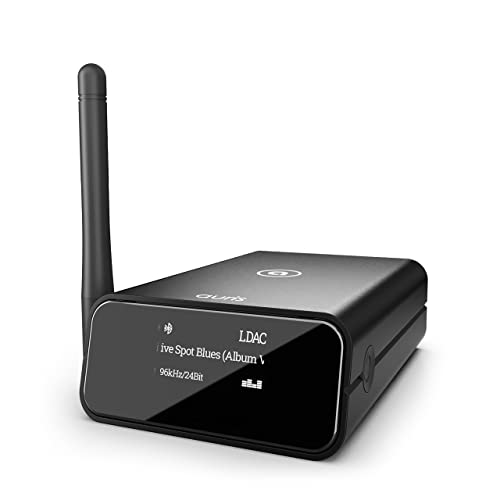
Auris Blume Pro HiFi Bluetooth 5.3 Music Receiver Long
- ✓ Great wireless stability
- ✓ Premium build, OLED display
- ✓ Excellent DAC performance
- ✕ Not a transmitter
- ✕ Limited to Bluetooth-only input
| Bluetooth Version | Bluetooth 5.3 |
| Supported Codecs | LDAC, aptX Adaptive, aptX HD, aptX Low Latency, aptX, AAC |
| DAC | ESS Sabre 32-bit/384kHz upsampling DAC |
| Digital Outputs | Optical and Coaxial |
| Wireless Range | Up to 30 meters (100+ feet) with external gain antenna |
| Display | 1.3-inch OLED screen |
You slide the Auris Blume Pro HiFi Bluetooth 5.3 Music Receiver Long into the setup and instantly notice how it stands apart from the compact dongles I’ve tried. The aluminum shell feels solid, and that 1.3-inch OLED suddenly feels premium in a world of tiny indicator LEDs.
In use, the real standout is how clean the Bluetooth connection stays even when my apartment walls are busy. With LDAC and aptX Adaptive, you actually hear what those terms promise—clear highs, tight bass, and a sense of space that doesn’t collapse when you move around the room.
The thing that sold me is the DAC path. It’s not just routing Bluetooth to an amp; it’s feeding a high-quality, true-sounding signal to my vintage stereo.
The ESS Sabre DAC handles upsampling smoothly, so my old records, streamed tracks, and Roon playlists all land with a coherent, almost high-end feel.
Set-up is straightforward. You connect the Pro to your line level inputs, choose your preferred outputs (optical, coaxial, or RCA), and you’re off.
The display neatly shows the codec, rate, and track name, which saves guesswork during late-night listening sessions.
Range is genuinely impressive. I could wander into the kitchen or hallway and not drop the signal, which is a relief if you’ve got a larger living space or a multi-room listening plan.
And yes, the external gain antenna helps keep that stability behind walls and furniture.
The overall experience feels polished enough for a daily driver yet flexible enough to pair with a classic setup. If you crave better wireless performance from a beloved vintage system, this makes the upgrade feel meaningful without gifting you a headache.
Pros:
Cons:
- Not a transmitter
- Limited to Bluetooth-only input
What Defines a Vintage AV Receiver?
A vintage AV receiver is typically characterized by its age, design, features, and audio quality, often appealing to audiophiles and collectors alike.
- Age: A vintage AV receiver is generally considered to be at least 20 years old, often made in the late 20th century. This age factor not only influences its design aesthetics but also its technology, which can differ significantly from modern receivers.
- Build Quality: Vintage receivers are often noted for their robust build quality, featuring heavy-duty components and metal chassis. This durability can result in longer lifespan and reliability compared to some modern plastic-bodied receivers.
- Analog Features: Many vintage receivers boast analog controls and meters, which are not only visually appealing but also provide a tactile experience that some users prefer. These analog features often include manual tuning knobs and analog volume controls, enhancing the nostalgic feel of the device.
- Sound Signature: Vintage receivers are known for their unique sound signature, often described as warm and rich. This sonic quality is attributed to the analog circuitry used in their design, which can produce a more pleasing auditory experience for certain types of music.
- Limited Connectivity: Unlike modern receivers that support multiple digital inputs and streaming options, vintage models typically offer limited connectivity, favoring analog inputs like RCA and speaker terminals. This limitation may appeal to purists who appreciate traditional audio setups.
- Collectibility: Certain brands and models of vintage AV receivers have become highly sought after by collectors, making them valuable items in the audio community. The rarity and historical significance of specific models can drive up their price in the market.
What Important Features Should You Look for in a Vintage AV Receiver?
When searching for the best vintage AV receiver, there are several important features to consider to ensure optimal performance and compatibility with modern audio equipment.
- Build Quality: Vintage AV receivers are often prized for their solid construction, which can include heavy metal chassis and high-quality components. A well-built receiver can provide better durability and longevity, reducing the likelihood of issues over time.
- Power Output: Look for receivers with adequate power output measured in watts per channel, as this affects the overall sound quality and volume levels. Vintage receivers can vary widely, so ensure that the power output meets your needs based on the size of your listening area and the efficiency of your speakers.
- Connectivity Options: While vintage receivers may lack some modern connectivity features, it’s important to find one with a range of inputs and outputs, including phono, auxiliary, and possibly digital inputs. This flexibility allows for the connection of various audio sources such as turntables, CD players, and streaming devices.
- Tuning Capabilities: Many vintage receivers come with excellent AM/FM tuners that provide strong reception and sound quality. Look for models with features like analog or digital tuning, which can enhance your ability to pick up radio stations clearly.
- Sound Quality: The unique sound signature of vintage receivers is a significant draw for enthusiasts. Consider how the receiver handles different audio frequencies and its overall warmth and richness of sound, as this can significantly affect your listening experience.
- Aesthetic Appeal: Vintage receivers often have a distinct design that appeals to collectors and enthusiasts, featuring wood finishes, analog dials, and unique layouts. Choosing a receiver that fits your aesthetic preferences can enhance your home audio setup visually as well.
- Serviceability: Vintage electronics may require maintenance or repairs over time, so it’s wise to choose a model that is known for its ease of serviceability. Availability of replacement parts and knowledgeable technicians can greatly influence the longevity of your receiver.
How Does Build Quality Impact the Performance of Vintage AV Receivers?
- Chassis Construction: The sturdiness of the chassis affects both sound quality and durability. A well-constructed chassis minimizes vibrations that can distort audio signals, providing cleaner sound reproduction over time.
- Internal Components: High-quality capacitors, resistors, and transistors contribute to better audio fidelity. Vintage receivers with premium internal components often deliver superior sound clarity and dynamic range, enhancing the overall listening experience.
- Heat Management: Effective heat dissipation mechanisms, such as heatsinks and ventilation, are crucial for maintaining performance. Receivers that manage heat well can avoid thermal throttling and component degradation, ensuring consistent performance during extended use.
- Connections and Ports: The quality of input and output connections affects signal integrity. Vintage receivers with solid gold-plated connectors and robust terminals provide better contact quality, reducing the risk of signal loss or interference.
- Power Supply: A reliable power supply is essential for optimal performance. Vintage receivers with well-designed power supplies deliver stable voltage, which can help maintain sound quality and prevent distortion during peak demands.
- Transformer Quality: The type and quality of transformers used impact audio performance. Vintage receivers with high-quality transformers can produce cleaner, more powerful sound by efficiently managing power distribution to the audio circuits.
What are the Leading Brands Known for Vintage AV Receivers?
The leading brands known for vintage AV receivers combine quality sound with classic design and are cherished by audiophiles and collectors alike.
- Marantz: Renowned for its warm sound signature, Marantz receivers from the 1970s and 1980s are highly sought after. The brand’s vintage models, like the Marantz 2230 and 2270, are celebrated for their solid build quality and aesthetic appeal, often featuring distinctive gold and blue knobs.
- Pioneer: Pioneer vintage receivers, particularly models like the SX-828 and SX-1250, are famous for their powerful performance and robust construction. These receivers are known for their excellent tuning capabilities and often include features such as a phono input and strong amplifier sections, making them a favorite among vinyl lovers.
- Sansui: Sansui’s vintage offerings are revered for their exceptional sound quality and innovative technology. Models such as the Sansui AU-717 and 9090DB are noted for their ability to drive large speakers effectively while maintaining clarity and detail across the audio spectrum.
- Technics: Technics, particularly known for its direct-drive turntables, also produced high-quality vintage AV receivers like the SA-8500. These receivers are appreciated for their reliability and user-friendly features, including multiple input options and excellent signal processing.
- Onkyo: Onkyo vintage receivers, such as the TX-4500 and TX-6500, are distinguished by their impressive sound performance and versatility. With features like multiple speaker outputs and well-implemented equalizers, these receivers are a hit among home theater enthusiasts seeking a vintage touch.
- Yamaha: Yamaha’s vintage receivers, exemplified by models like the CR-1020 and CR-2040, are known for their sleek design and robust functionality. They are recognized for their high power output and excellent dynamic range, making them suitable for various listening environments.
Which Vintage AV Receivers Are Most Highly Recommended?
When it comes to the best vintage AV receivers, several models stand out due to their sound quality, durability, and unique features. Here are some highly recommended options:
-
Pioneer SX-1980: Renowned for its powerful 270 watts per channel output and robust construction. This receiver features a classic design and is capable of driving large speakers with ease.
-
Marantz 2270: A staple of the 1970s audio scene, this receiver is celebrated for its warm sound and aesthetic appeal. It offers 70 watts per channel, making it perfect for home audio setups.
-
Sony STR-V7: Known for its exceptional build quality and sound performance, the STR-V7 features direct drive and multiple inputs, including phono and tape.
-
Sansui 9090DB: This model is often lauded for its dynamic sound and high power output (120 watts per channel) along with a built-in equalizer, allowing for personalized sound tuning.
-
Yamaha CR-1020: Featuring a sleek design and a power output of 90 watts per channel, it’s well-regarded for its reliability and rich audio profile.
Each of these vintage AV receivers brings something unique to the table, appealing to different preferences and listening environments.
What Considerations Should You Keep in Mind When Buying a Vintage AV Receiver?
When buying a vintage AV receiver, several important considerations should be taken into account to ensure quality and performance.
- Condition: It’s essential to check the physical and functional condition of the receiver. Look for signs of wear, rust, or damage, and inquire about any repairs or modifications that may have been made, as these can significantly impact performance.
- Specifications: Familiarize yourself with the specifications of the receiver, including power output, frequency response, and connectivity options. Understanding these specs will help ensure that the receiver meets your audio needs and is compatible with your existing equipment.
- Brand Reputation: Some brands are known for their durability and sound quality, while others may not have the same reputation. Research brands like Pioneer, Marantz, and Yamaha to find models that are well-regarded within the vintage audio community.
- Warranty and Return Policy: When purchasing vintage electronics, it’s crucial to know the seller’s warranty and return policy. A good warranty can provide peace of mind, while a reasonable return policy allows you to return the receiver if it doesn’t meet your expectations.
- Availability of Parts: Vintage receivers may require maintenance or repairs, so consider the availability of replacement parts. Some models have a robust aftermarket support system, making it easier to find components to keep your receiver in good working order.
- Sound Quality: Ultimately, the performance of an AV receiver is measured by its sound quality. Listen to the receiver, if possible, to assess its audio performance across different frequencies and ensure it matches your personal preferences.
- Connectivity Options: Vintage receivers may lack modern connectivity features such as HDMI inputs or Bluetooth. Determine which input options you need for your current setup, and ensure the receiver can accommodate them, or be prepared to use adapters where necessary.
- Price: Vintage equipment can vary widely in price based on brand, condition, and rarity. Set a budget and research the market to avoid overpaying while still securing a quality receiver that meets your audio needs.
What Are the Unique Benefits of Choosing a Vintage AV Receiver Over Modern Alternatives?
Choosing a vintage AV receiver comes with several unique benefits that appeal to audiophiles and collectors alike.
- Build Quality: Vintage AV receivers often feature robust construction using high-quality materials, which can lead to greater durability and longevity compared to many modern plastic components.
- Warm Sound Signature: Many vintage receivers are known for their warm audio profiles, thanks to analog components and design choices that can create a more pleasing sound experience for music enthusiasts.
- Design Aesthetics: The classic design of vintage AV receivers often includes wood paneling and retro dials, providing a nostalgic and visually appealing addition to any home entertainment setup.
- Analog Connections: Vintage receivers typically have a wealth of analog inputs and outputs, making them versatile for connecting older audio and video equipment without the need for adapters or converters.
- Affordability: While certain high-end vintage models can be expensive, many vintage AV receivers are available at lower prices, offering excellent value for quality sound without breaking the bank.
- Collectibility: Vintage AV receivers can be sought after by collectors, which can add an element of investment to your purchase as certain models may appreciate in value over time.
- Community and Resources: There is a strong community of vintage audio enthusiasts, which provides ample resources for maintenance, repair, and modification, ensuring that these receivers can be kept in optimal working condition.
Each of these benefits contributes to the appeal of vintage AV receivers, making them a viable option for those looking to enhance their audio experience or simply enjoy a piece of audio history.
Related Post: